Picture Gallery
Bilder Galerie
写 真のギャラリー
Page - Seite - ページ
-18 of 18-
It takes a while to load all the pictures ... please be patient
Des dauert etwas bis alle Bilder geladen sind ... also bitte ein wenig Gedult haben

Kyoto/京都
FUSHIMI INARI SHRINE
伏見稲荷大社
The temple of Rice and the Fox
Der Tempel des Reis und des Fuchses
稲荷米とキツネの神殿。
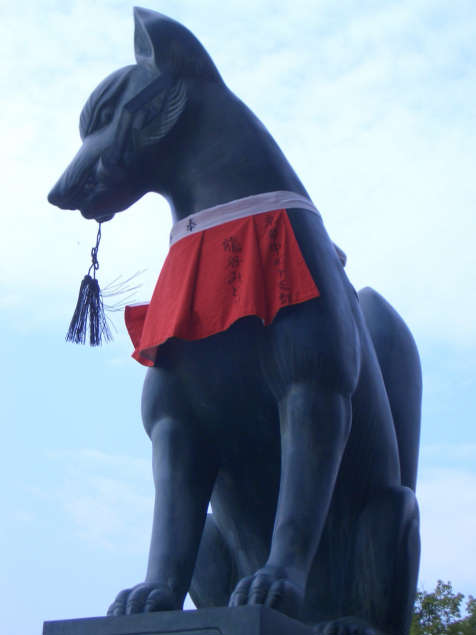 |
| There
are many folk tales or legends and myths about Inari in
Japan.
Inari
was the goddess of rice. 'Ine-nari' means 'ripe paddies', hence
abbreviated into 'inari'. Because people believed that kitsune (fox) was the messenger of the goddess, they worshipped both Inari and kitsune, and after many ages people had forgotten about the goddess and the word 'Inari' was taken to be a name for kitsune. Hence Inari statues are of a fox or kitsune. More about the Inari here Es gibt viele Legenden über Inari in Japan. Inari war die Göttin des Reis. 'Ine-Nari' bedeuted Reisfeld, daher die Abkürzung 'Inari'. Weil die Leute glaubten das der Kitsune (der Fuchs) der Bote der Göttin war, haben sie beide den Reis und den Fuchs verehrt. Mit der Zeit haben die Leute dann vergessen wer die Götting war und 'Inari' wurde nur noch als Name des Fuchses verwand. Deshalb verkörpern die Inari Figuren alle einen Fuchs. Mehr über den Inari here (leider nur auf Englisch) 稲荷米の女神はそうです。稲荷に関する多くの民話か伝説と神話が日本にあります。'伊根-nari'はしたがって、'稲荷'に簡略化された'熟しているも み'を意味します。 彼らは、人々が、それが狐(欺く)であると信じたのが、女神がメッセンジャーの理由であることを拝しました。 稲荷と狐と時代が住ませる後多くの両方が女神と狐のための名前になるように 稲荷 稲荷'を取ったという単語を忘れました。 したがって、 稲荷像はキツネか狐のものです。 |
 |
 |
Der Inari Shrine
稲荷神殿
 |
Temple and Shrines / Terms and Glossary
 |
 |
|
In Japan it is tradition that all 3, 5, and 7 year olds at a certain time of the year be taken to a shrine or temple where prayers for their well being and future are being said. Of course for such a visit one is put into one's finery, which is often a kimono. In Japan gibt es eine Tradition bei der alle 3, 5, und 7jährigen Jungen und Mädchen zu einer bestimmten Zeit des Jahres einen Besuch im Tempel machen und dort für Ihr Wohlbefinden und Ihre Gesundheit gebetet wird. Für so einen Tempelbesuch wird man natürlich fein in Schale geworfen. Oft ist das ein Kimono. |
Die Leute auf diesen Bildern haben mir freundlicher Weise erlaubt diese Photos von ihnen zu machen.
これらの絵の上の人々は、非常に親切であり、私がそれらの写真を撮るのを許しました。
 |
 |
Die Väter und Mütter sind an solchen Tagen natürlich sehr stolz auf ihre Sprößlinge
おかあさんとおとうさんは当日、もちろん非常に誇りに思っています。
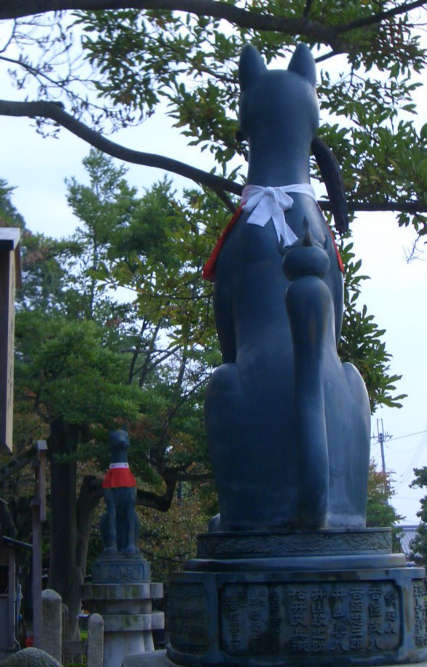 |
 |
Mehr Füchse oder Inari Skulpturen
より多くのキツネ像
 |
Wir sind bereit die wirkliche Sehenswürdigkeit dieses Tempels zu erkunden
私たちは、この寺の本当のアトラクションを探るのを待っています。
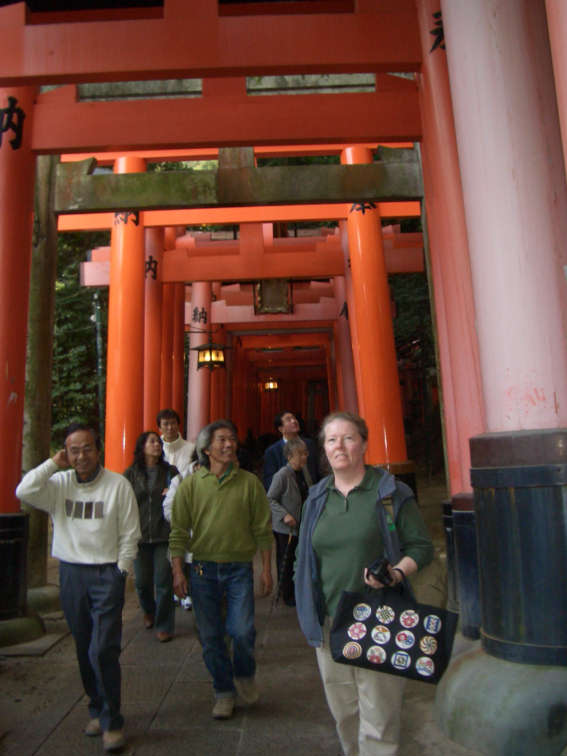 |
Jede Menge Torii Bögen (oder sind es Tore)
多くの鳥居ゲート。
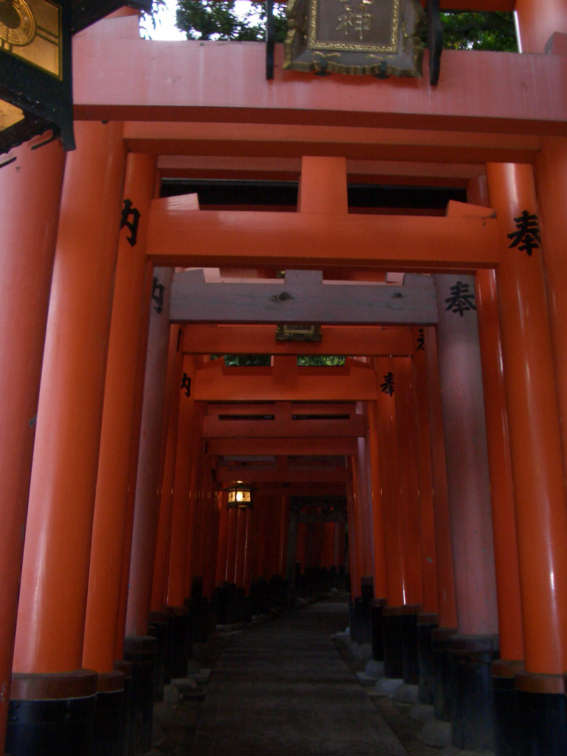 |
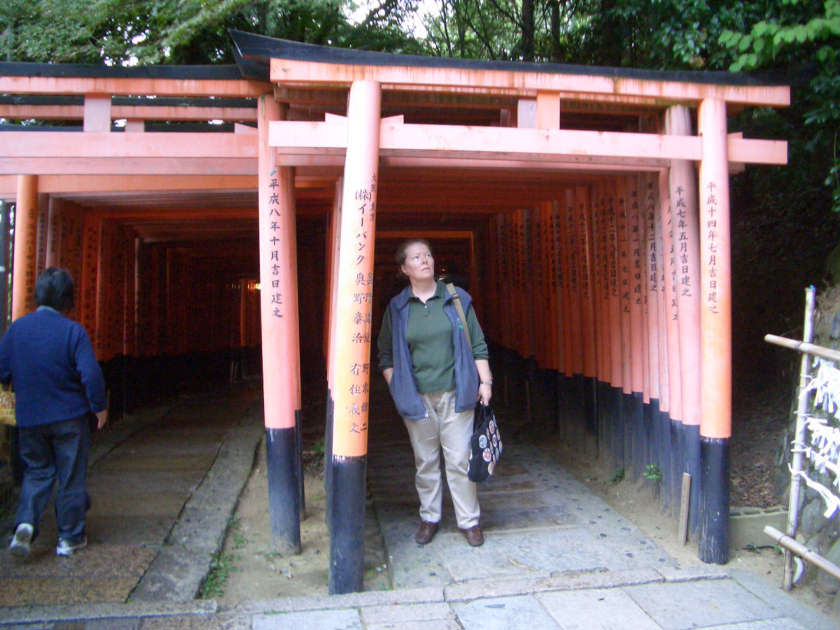
Dieser Toriweg soll über 6 km lang sein (wir haben nur einen kleinen Teil davon begangen).
鳥居があるこの経路は長さ4マイルであると言われています。(私たちはそれの セント硬貨を
押して行っただけです)
 |
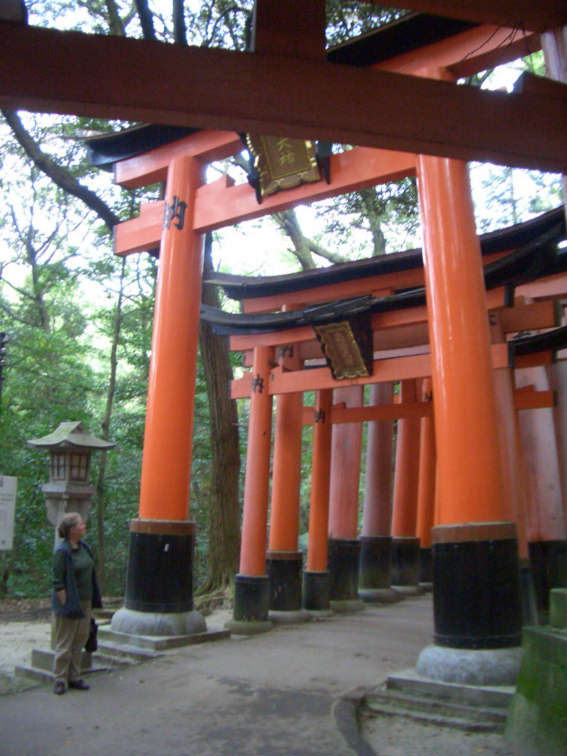
Selbst zweispurig wird hier gegangen
フォークさえ経路にあります。
 |
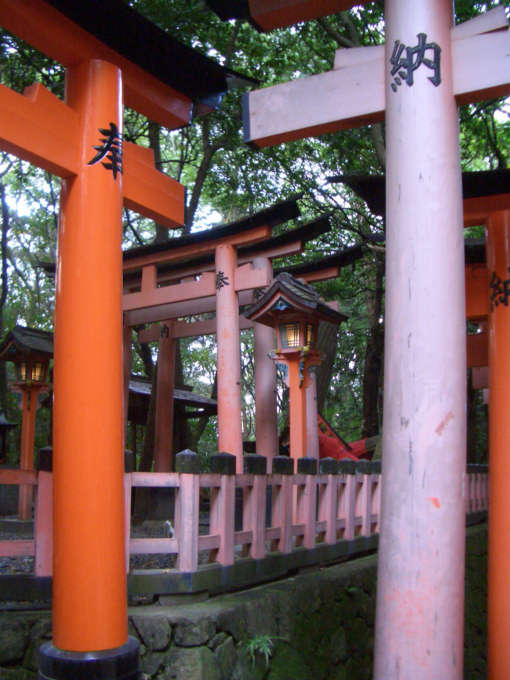
Einige sind größer als andere
或るものは他のものより大きいです。
 |
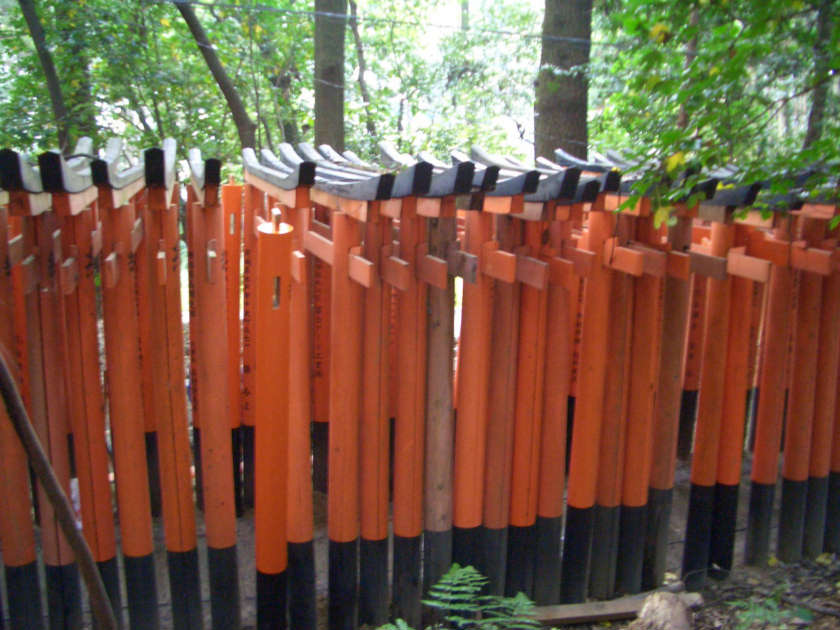
Einige sind frisch gestrichen - andere etwas verblasst
或るものは新たに塗装されます--他のものは少し色あせました。
 |
Each Torii was given by a person or a company as a gift to the gods, there are thousands here
Jeder dieser Torii wurde von einer Person oder einer Firma für die Götter gestiftet, es gibt Tausende hier
各鳥居は贈り物として人か会社によって神に与えられて、数千がここにあります。
 |
Und zwischendurch mal wieder ein Fuchs
そして、時々--、別のキツネ
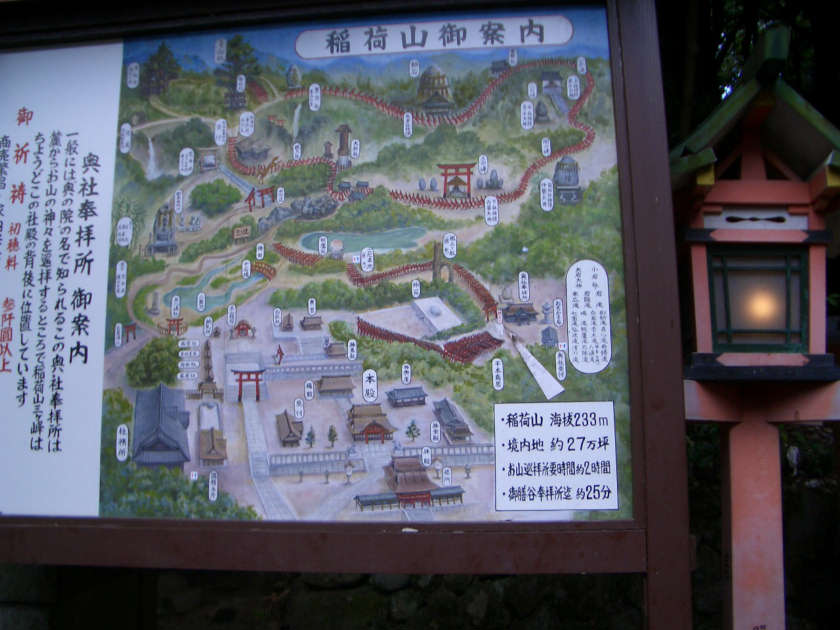 |
Das gesammte Areal auf einer Tafel
掲示板としての全体の複合体
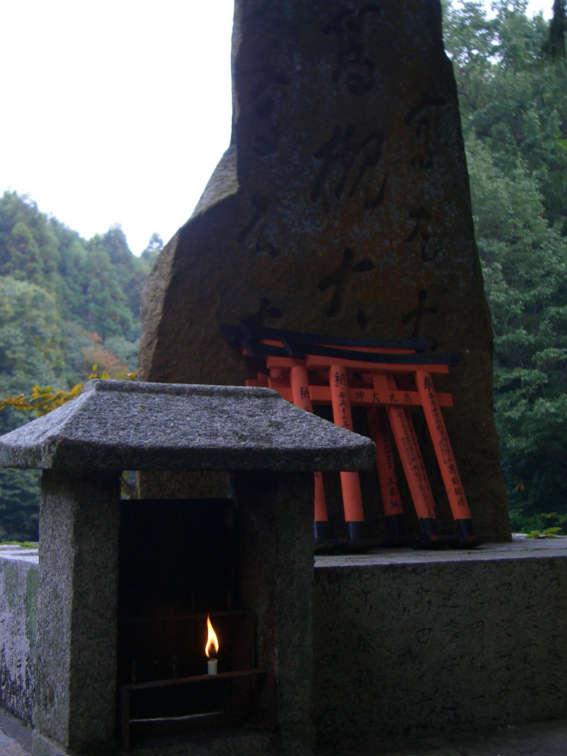 |
Und wenn man das Geld für einen großen Torii nicht hat, diese Kleinen sind nur etwa 30cm hoch
そして、1つに大きい鳥居のためのお金がないなら、これらの小さいものは高い10インチだけに関する
ものです。
 |
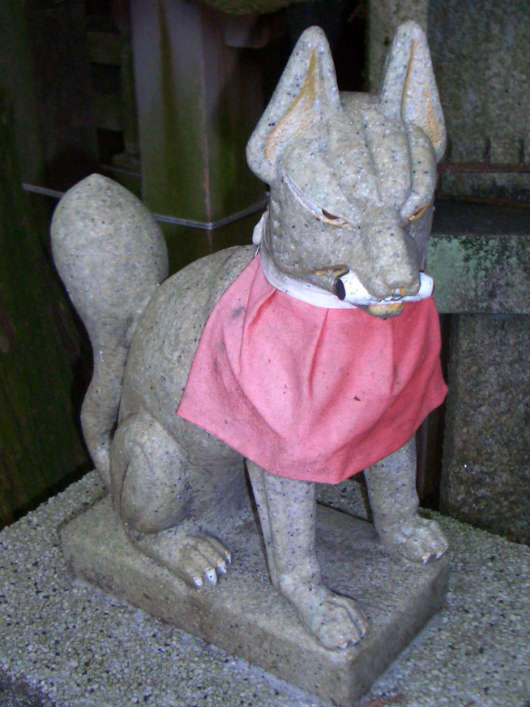 |
Zum Abschluß - noch ein besonders schöner Inari-Fuchs
終わりで--、稲荷-フォックスの別の見事な見本
Unfortunately we have reached the End of this Wonderful Trip Report
Leider haben wir das Ende dieser herrlichen Reise erreicht
残念ながら、これはこのフォトギャラリーの結論です。
The End
Back to/Zurück zur/: HD's HomepageHD
のウェブページに戻ります。
Back to the Home Page of the Roseburg Sister Cities Inc.RSC
のウェブページに戻ります。
Please, Write a comment into
my guestbook / Schreib
doch mal was in mein Gästebuch
- Read what others
wrote in my guestbook - Lesen was andere geschrieben haben-
